FWFreight is a premier logistics specialist, adept at handling freight shipping from Nigeria to Germany. Our core services impeccably balance sea, air, rail, and truck deliveries, providing optimal solutions for both domestic exporters and global importers. By streamlining the complexities of international shipping from Nigeria, we harmonize every step, from local pickups to customs clearance, ensuring your products reach their destination efficiently and intact.
At FWFreight, we believe in delivering a world-class customer experience. We perceive our customers not just as clients, but as valuable partners in our journey. Our service model is highly flexible, allowing us to tailor packages that precisely cater to the unique needs of each customer. Whether it's a small, time-sensitive package or large, heavy freight, our team of experts seamlessly handle all aspects of the shipping process, ensuring your items reach their destination safely and timely. We take pride in our reputation for reliability, precision, and excellence, standing tall as a global leader in freight and forwarding services.
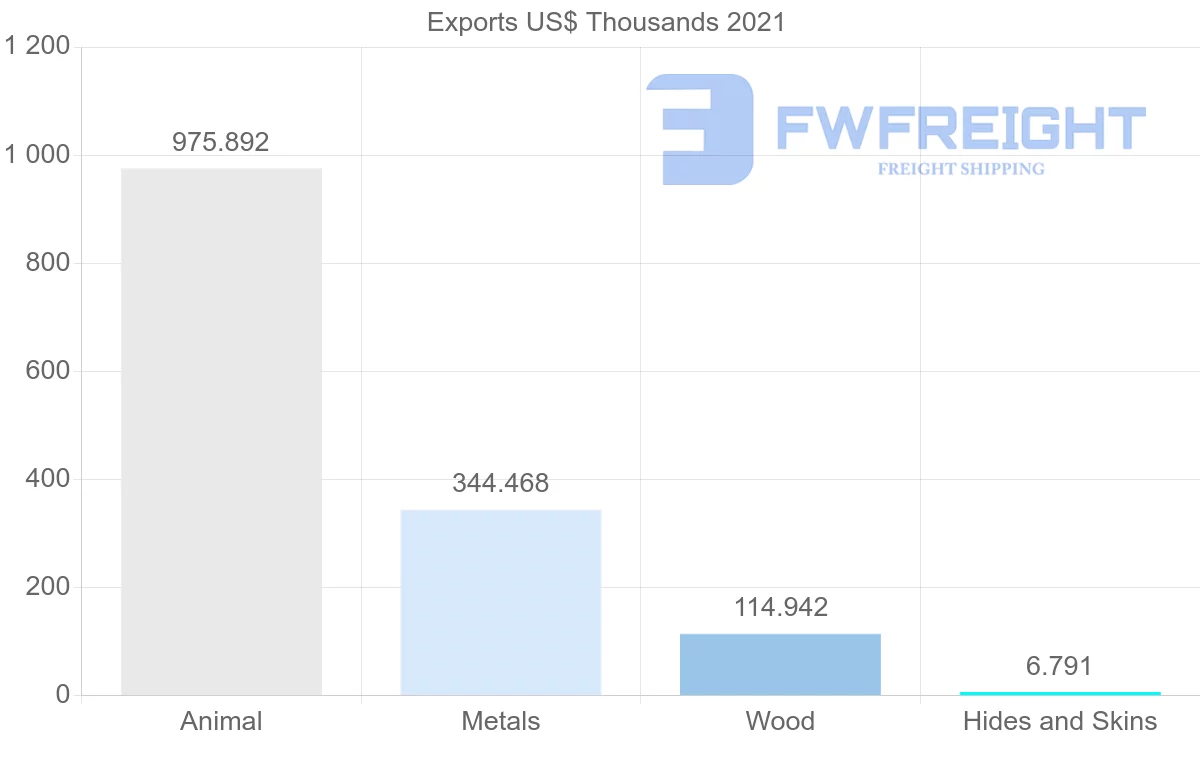 In 2021, Nigeria exported a total of $1.442 million worth of goods to Germany. The top 5 export goods categories were Animal products with $975.892 million, Metals with $344.468 million, Wood with $114.942 million, and Hides and Skins with $6.791 million. The largest export category was Animal products, which accounted for 67.7% of the total export volume, followed by Metals at 23.9%. The significant contribution of these goods to Nigeria's export economy highlights the country's strengths in producing and exporting these products to international markets.
Exports in these categories are crucial for Nigeria's economy as they represent key sectors that contribute to the country's GDP and provide employment opportunities. Animal products, including livestock and meat, are produced in various regions across Nigeria, with the northern states such as Kano, Sokoto, and Kaduna being major producers. Metals are primarily produced in the southern regions of Nigeria, notably in Lagos, Ogun, and Rivers states. Wood products are sourced from the forests in the southern and central regions of the country, such as Ondo, Edo, and Cross River states. Hides and skins are mainly sourced from cattle farming regions in the north, like Kano and Kaduna.
These goods are important for import into Germany as they cater to the country's industrial needs and consumer demand. Animal products, such as meat and leather, are highly valued in Germany for their quality and diversity. Metals extracted from Nigeria are used in various manufacturing industries in Germany, while wood products are sought after for construction and furniture making. Hides and skins are utilized in the fashion and automotive industries in Germany. The regions in Nigeria that supply these goods to Germany include the states with well-established production facilities and infrastructure, such as Lagos, Kano, and Rivers.
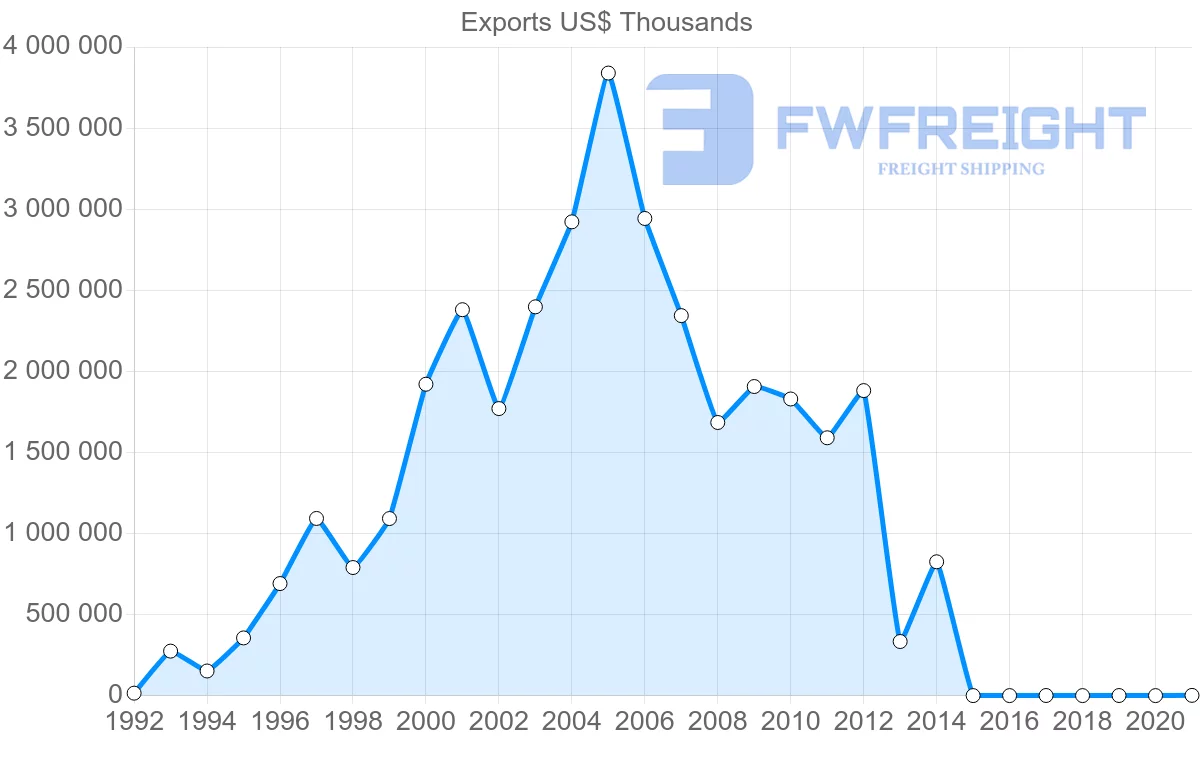 Over the past 30 years, the value of All Product Export from Nigeria to Germany has shown significant growth. Starting at $15 million in 1992, the export value increased steadily to reach a peak of $3.8 billion in 2005. There was a slight decrease in the following years, but the trade relationship rebounded with exports reaching $2.4 billion in 2012. Since then, the value has fluctuated but generally remained above $1 billion, with the latest data showing exports worth $1.4 billion in 2021. Overall, there has been a notable increase in trade volume between Nigeria and Germany, reflecting the strengthening economic ties between the two countries.
The main product groups exported from Nigeria to Germany include petroleum products, agricultural products, minerals, machinery, and textiles. Petroleum products have consistently been the largest export category, accounting for a significant portion of the total trade volume. Agricultural products such as cocoa, rubber, and palm oil also play a crucial role in the trade relationship. Minerals such as tin, coal, and limestone are exported to Germany for industrial purposes, while machinery and textiles contribute to diversifying the export portfolio. These product groups highlight the diverse range of goods that Nigeria offers to the German market, showcasing the country's potential as a trading partner.
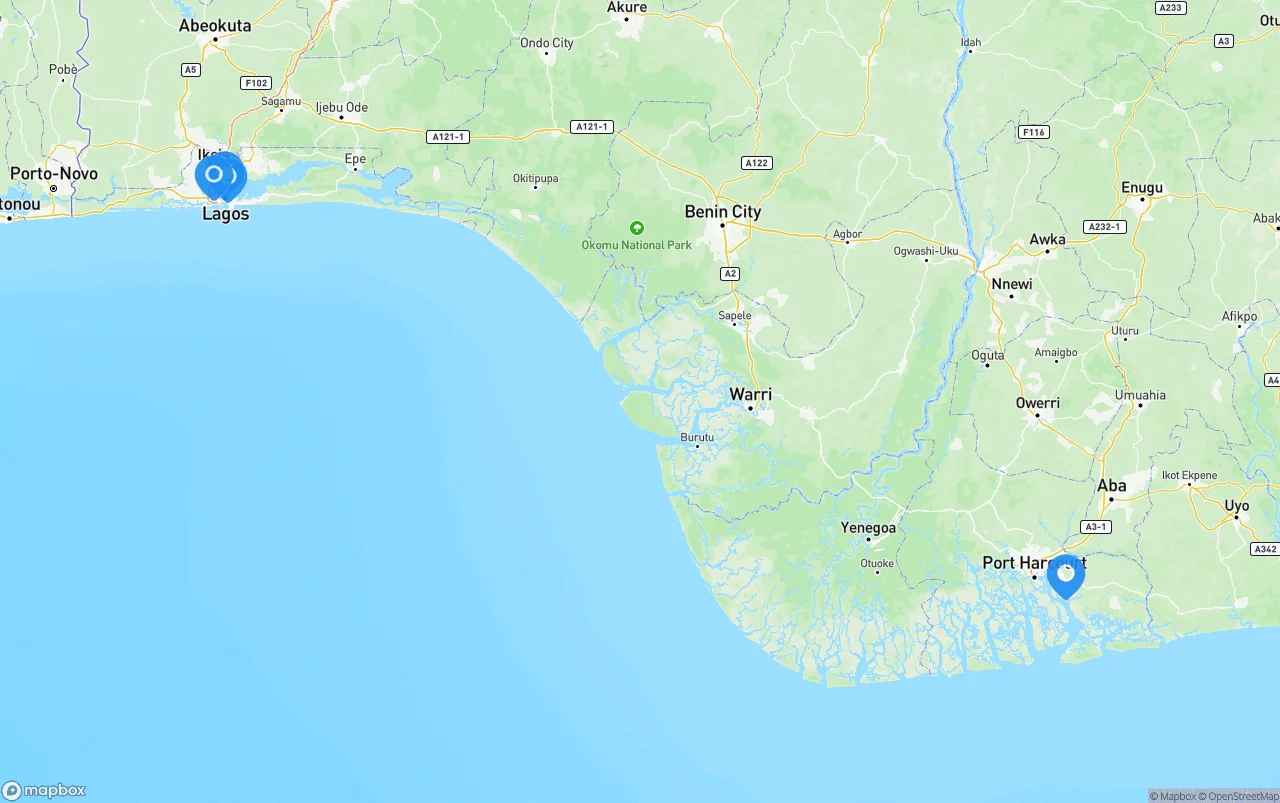 Apapa Port: Apapa Port is the largest and busiest port in Nigeria, located in Lagos. It is a major gateway for imports and exports in the country, handling a large volume of goods such as petroleum products, vehicles, and general cargo. The port is equipped with modern facilities and infrastructure to handle containerized cargo efficiently.
Lagos Port: Lagos Port is another important port in Nigeria, located on the outskirts of Lagos. It serves as a key hub for trade in the region, handling various types of cargo including containers, bulk cargo, and petroleum products. The port has undergone significant expansion and modernization in recent years to enhance its capacity and efficiency.
Onne Port: Onne Port is located in Rivers State, serving as a major oil and gas logistics base in Nigeria. It is one of the largest container terminals in the country, handling a significant volume of containerized cargo. The port is strategically located near oil and gas fields, making it a crucial hub for the industry.
Tincan Port: Tincan Port is situated in Lagos, adjacent to the Apapa Port. It is a key gateway for containerized cargo, handling a significant volume of imports and exports. The port has modern facilities and equipment to ensure efficient handling of cargo, contributing to the economic growth of Nigeria.
Antan Terminal Port: Antan Terminal Port is a private port terminal located in Lagos, specializing in containerized cargo. It is a key player in the maritime industry, offering efficient services for shippers and consignees. The port is equipped with state-of-the-art facilities to handle various types of containers and goods.
Other ports in Nigeria include Port Harcourt Port, Calabar Port, and Warri Port, which also play significant roles in the country's maritime trade.
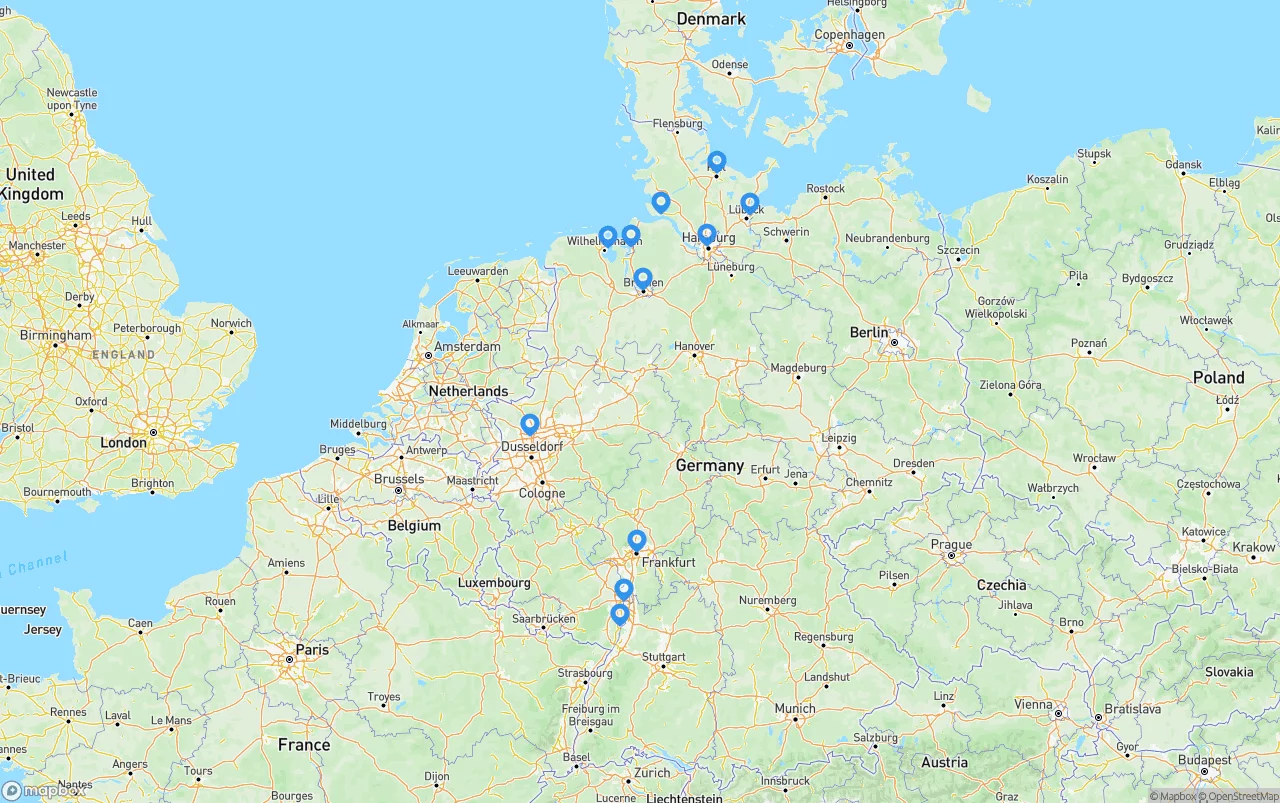 - Hamburg Port: Hamburg Port is the largest port in Germany and the third-largest in Europe. It is a major hub for container shipping, handling over 9 million TEUs annually. The port also handles a significant amount of general cargo, bulk cargo, and cruise ship traffic.
- Bremerhaven Port: Bremerhaven Port is a key port for Germany's automotive industry, with a dedicated terminal for vehicle exports. It is also an important hub for container shipping, handling around 5 million TEUs each year. The port is well-connected to inland transportation networks by road and rail.
- Bremen Port: Bremen Port is located on the Weser River and serves as an important gateway to northern Europe. It is a major hub for container shipping, handling over 4 million TEUs annually. The port also handles a diverse range of cargo, including bulk cargo and project cargo.
- Kiel Port: Kiel Port is the busiest passenger port in Germany, serving as a major ferry terminal for travel to Scandinavia and the Baltic states. The port also handles a variety of cargo, including containers, bulk cargo, and RoRo traffic. Kiel is an important hub for both passenger and cargo transportation.
- Duisburg Port: Duisburg Port is the largest inland port in Europe, located on the Rhine River. It is a key hub for container shipping, handling over 3 million TEUs annually. The port is well-connected to major European markets by inland waterways and rail, making it a vital link in the supply chain.
Other ports in Germany include BRUNSBUETTEL Port, FRANKFURT AM MAIN Port, Germersheim Port, LUBECK Port, Mannheim Port, and Wilhelmshaven Port. Each of these ports plays a unique role in Germany's maritime and inland transportation networks.
Looking for a freight forwarder in Nigeria and Germany? There is a list of the best freight forwarders, cargo agents, air, sea, land, river, railroad transport companies, logistics, brokers cargo services in Nigeria and Germany. Elevate your business's supply chain effectiveness by selecting the ideal freight forwarding partner.
Maximize your logistics efficiency between Nigeria and Germany by partnering with premier freight forwarders. These expert forwarders invest time to deeply understand your unique shipping requirements. Through a personalized and meticulous approach, they guarantee seamless shipment execution across borders, ensuring timely arrivals at every destination.


At FWFreight, we offer comprehensive international container shipping services tailored to meet your needs. We provide efficient and reliable shipping solutions from Nigeria to Germany. Here's a breakdown of our shipping options:
LCL from Nigeria to Germany (Less than Container Load):
For smaller shipments that don't fill an entire container, our LCL service is the perfect solution. We consolidate multiple shipments into one container, saving you time and money. With regular departures to Germany from Nigeria. Your cargo will reach its destination securely and on schedule.
FCL from Nigeria to Germany (Full Container Load):
If you have enough cargo to fill a whole container, our FCL service offers exclusive use of a container. This ensures your goods remain secure and minimizes the risk of damage during transit. Choose to 20 FT, 40 FT, or 40 HC containers, depending on the volume and nature of your cargo.
Air Freight from Nigeria to Germany:
When time is of the essence, our air freight service provides swift delivery for urgent shipments. With extensive networks and partnerships, we guarantee efficient handling and timely delivery of your cargo to Germany to destinations across the globe.
Below is a table with Shipping Rates from Nigeria to Germany for various types of containers. You can use these Quick Quotes from Nigeria to Germany as a guideline. To get an Instant Rate from Nigeria to Germany for the necessary date, you can send a request.
For container transportation from Nigeria to Germany, various factors come into play. The size of the shipping container, the type of goods to be shipped, distance of the destination, and the shipping method (either Full Container Load or Less than Container Load) all directly affect the cost.
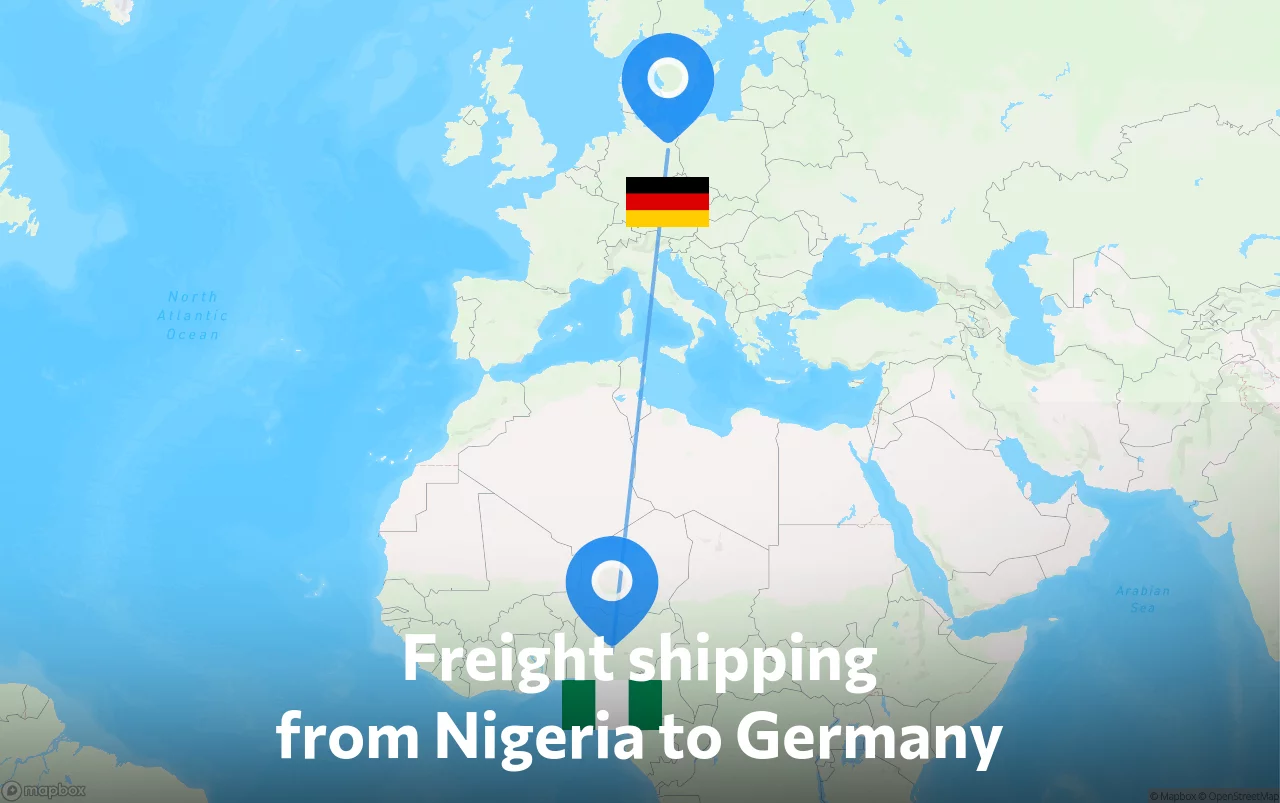 The average transit time for sea freight from Nigeria to Germany can vary depending on multiple factors. Generally, the distance between the two countries is around 4,300 miles, which can result in an average transit time of 5 to 6 weeks. Other factors that can affect the shipping time include the route taken, weather conditions, port congestion, and any potential delays in loading and unloading cargo. Logistics also play a crucial role in determining how long it takes for cargo to reach its destination, as efficient planning and coordination can help expedite the shipping process.
Customs clearance is another important aspect to consider when shipping cargo from Nigeria to Germany. While customs procedures may differ between the two countries, delays in clearance can impact the overall shipping time. On average, customs clearance in Nigeria can take around 7 to 10 days, while in Germany it may take around 5 to 7 days. These delays can add to the total transit time, so it is important to factor them into the shipping timeline. Companies like FWFreight specialize in providing reliable transport services on this route, offering expertise in managing customs procedures and ensuring timely delivery of cargo from Nigeria to Germany.
 Welcome to FWFreight, your reliable partner for freight shipping to Germany and beyond. We're your one-stop-shop for all your logistics needs, providing a comprehensive blend of sea, air, rail, truck, and forwarding services. Whether you're a domestic exporter looking for tailored solutions or an international importer needing delivery from other countries to Germany, FWFreight has you covered. Our specialized knowledge in managing imports to Germany sets us apart, and our competitive pricing reflects our commitment to provide you with the best deal for your shipping requirements. Rest assured, you have come to the right place for efficient and cost-effective international shipping to Germany from other countries.
From a service perspective, we pride ourselves on being more than just a shipping company; we are your trusted partner in transport logistics. Our dedicated team works seamlessly to provide every customer with world-class service, understanding that each client's needs are unique. We customize our services to meet these diverse requirements, offering everything from detailed shipment tracking to flexible pick-up and delivery options. Every interaction with our company is guaranteed to exceed your expectations in terms of responsiveness, reliability, and results. With FWFreight, you’re not just shipping goods; you’re shipping confidence. We are committed to giving you the best shipping experience, making global trade feel like a breeze.