FWFreight is a premier logistics specialist, adept at handling freight shipping from Germany to Philippines. Our core services impeccably balance sea, air, rail, and truck deliveries, providing optimal solutions for both domestic exporters and global importers. By streamlining the complexities of international shipping from Germany, we harmonize every step, from local pickups to customs clearance, ensuring your products reach their destination efficiently and intact.
At FWFreight, we believe in delivering a world-class customer experience. We perceive our customers not just as clients, but as valuable partners in our journey. Our service model is highly flexible, allowing us to tailor packages that precisely cater to the unique needs of each customer. Whether it's a small, time-sensitive package or large, heavy freight, our team of experts seamlessly handle all aspects of the shipping process, ensuring your items reach their destination safely and timely. We take pride in our reputation for reliability, precision, and excellence, standing tall as a global leader in freight and forwarding services.
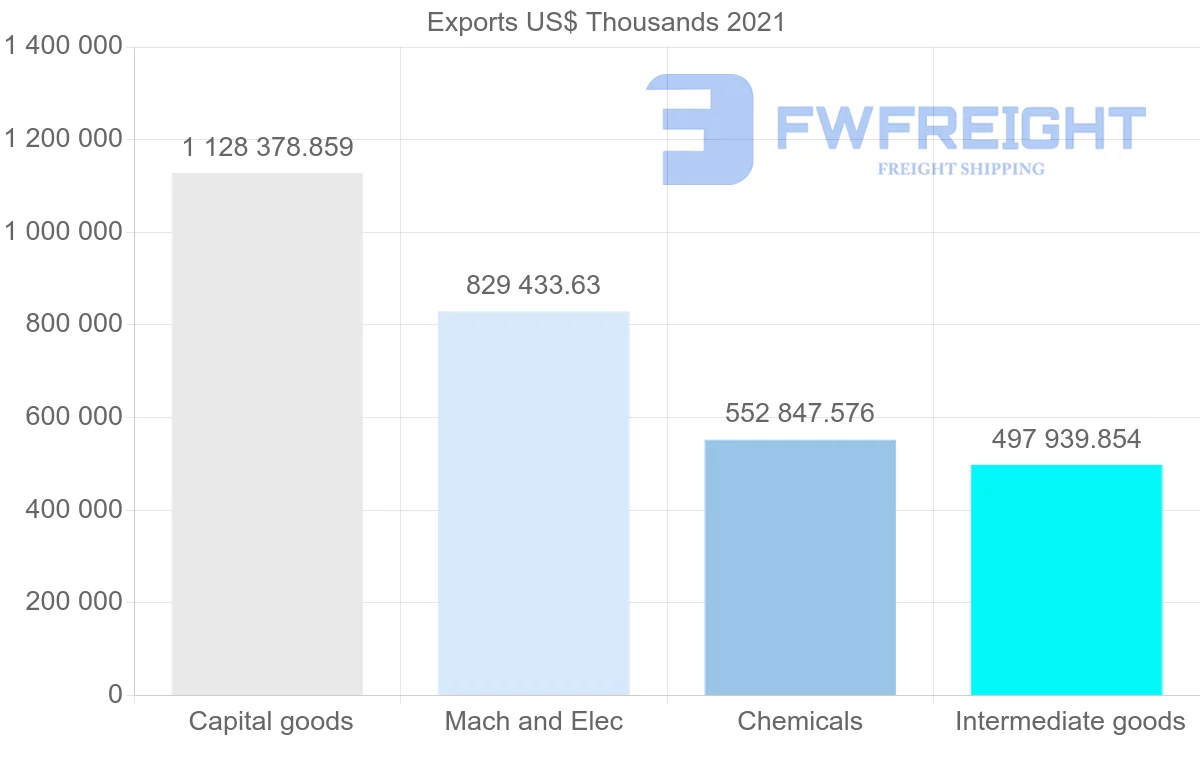 The top 5 export goods from Germany to the Philippines in 2021 were Capital goods with a value of $1,128.378 million, Machinery and Electronics with $829.434 million, Chemicals with $552.848 million, and Intermediate goods with $497.940 million. These goods play a crucial role in the economic relationship between the two countries, with capital goods such as machinery and equipment being essential for industrial development, while chemicals and intermediate goods are used in various manufacturing processes. The significant values of these exports indicate a strong trade partnership between Germany and the Philippines in these key product categories.
The exports in these categories are important to Germany as they represent high-value goods that have a competitive edge in the global market. Germany is known for its advanced manufacturing capabilities and technological expertise, particularly in the production of machinery, electronics, and chemicals. These goods are mostly produced in industrial hubs such as Baden-Württemberg, Bavaria, and North Rhine-Westphalia, where there is a strong concentration of manufacturing companies. The export of these goods contributes significantly to Germany's economy, supporting jobs and driving innovation in various sectors.
These goods are important for import into the Philippines as they are crucial for the country's industrial and economic development. Machinery and equipment are needed for infrastructure projects and manufacturing activities, while chemicals are used in various industries such as pharmaceuticals, agriculture, and electronics. The regions in the Philippines where these goods are supplied include major industrial hubs like Metro Manila, Cebu, and Davao, where there is a growing demand for advanced technology and raw materials. The import of these high-quality goods from Germany helps to enhance the Philippines' industrial capabilities and drive economic growth in the country.
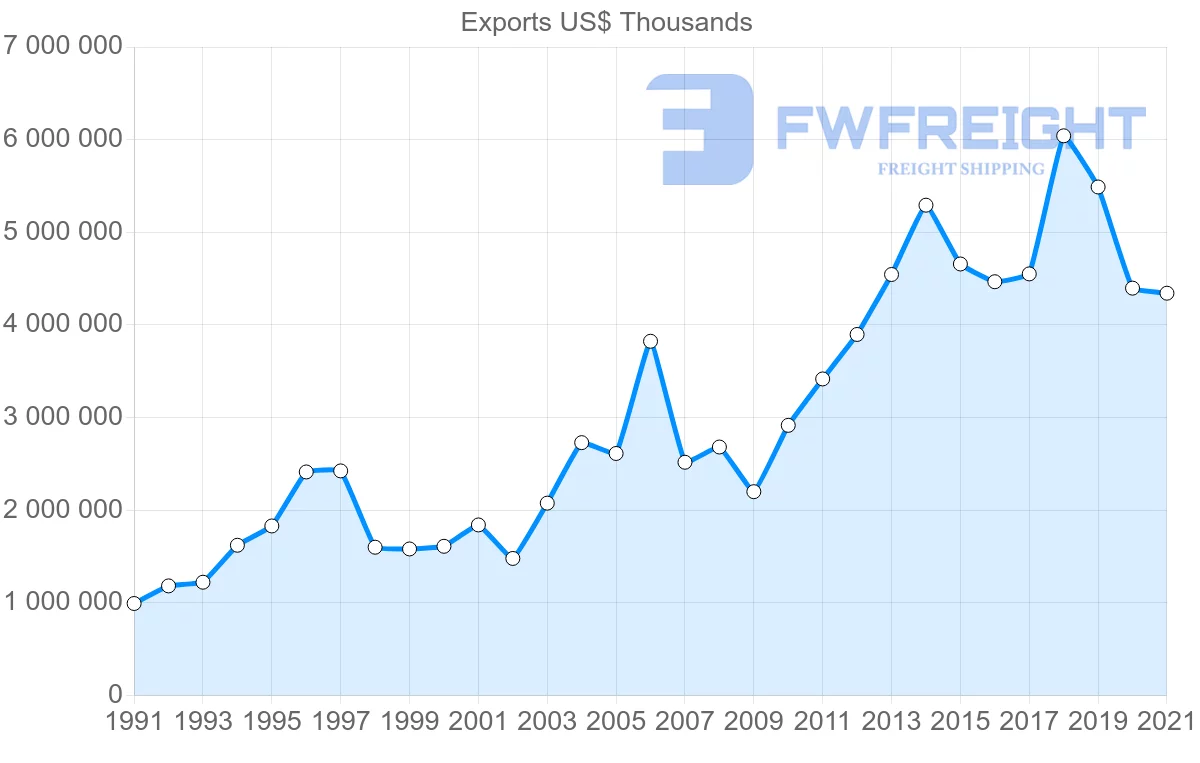 Over the past 30 years, All Product Export from Germany to Philippines has experienced significant growth, with the value of exports increasing from $993.96 million in 1991 to $4.34 billion in 2020. This represents a substantial increase of over 336% during this period. The trade relationship between the two countries has strengthened over time, with consistent growth in export values, despite fluctuations in certain years. The most notable increases occurred in 2003, 2006, 2013, and 2020, reflecting significant developments in trade between Germany and Philippines.
The main product groups exported from Germany to Philippines include machinery, vehicles, chemicals, electrical equipment, and pharmaceuticals. These sectors have consistently been the top exports from Germany to Philippines, showcasing the strength of Germany's manufacturing and technology industries. Machinery and vehicles make up a large portion of the exports, highlighting the demand for German engineering and automotive products in the Philippines. Additionally, the export of chemicals and pharmaceuticals demonstrates the importance of these industries in the bilateral trade relationship. Overall, Germany's exports to the Philippines are diverse and high-value, reflecting the strong economic ties between the two countries.
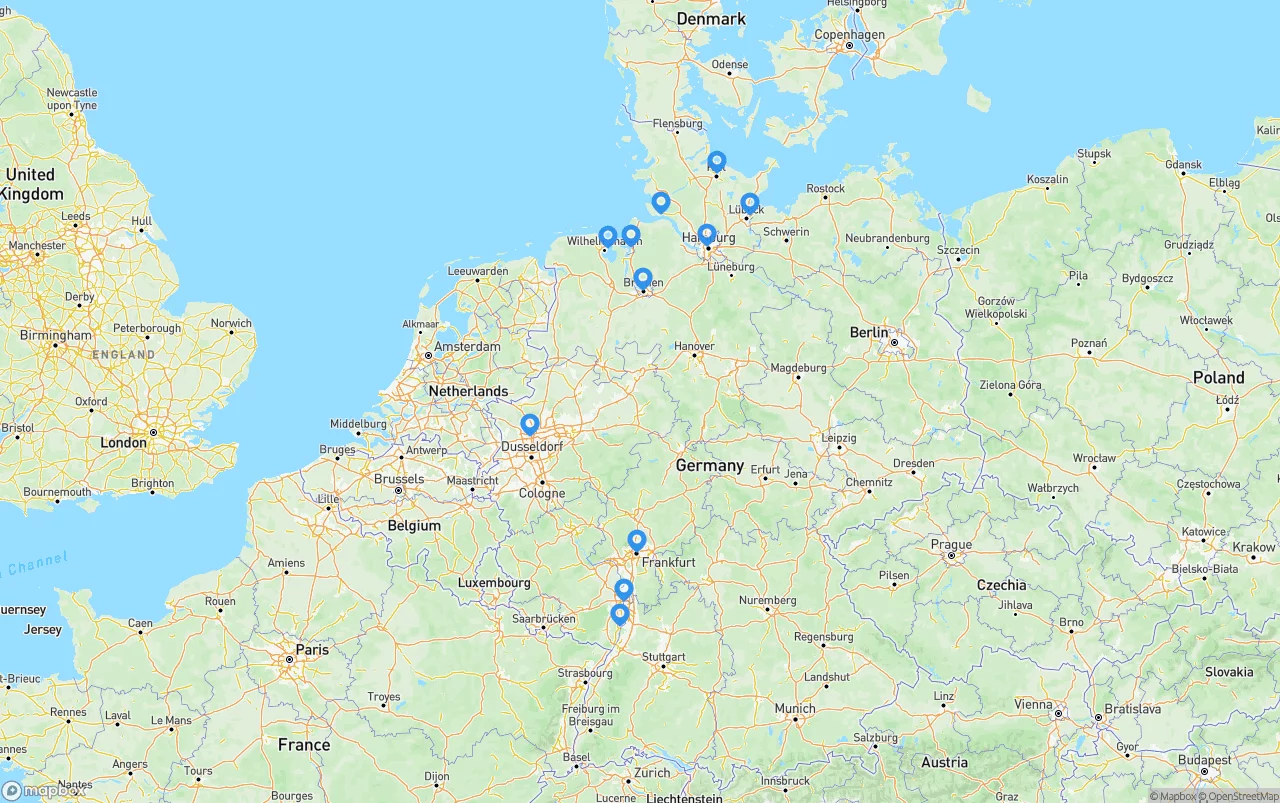 - Hamburg Port: Hamburg Port is the largest port in Germany and the third-largest in Europe. It is a major hub for container shipping, handling over 9 million TEUs annually. The port also handles a significant amount of general cargo, bulk cargo, and cruise ship traffic.
- Bremerhaven Port: Bremerhaven Port is a key port for Germany's automotive industry, with a dedicated terminal for vehicle exports. It is also an important hub for container shipping, handling around 5 million TEUs each year. The port is well-connected to inland transportation networks by road and rail.
- Bremen Port: Bremen Port is located on the Weser River and serves as an important gateway to northern Europe. It is a major hub for container shipping, handling over 4 million TEUs annually. The port also handles a diverse range of cargo, including bulk cargo and project cargo.
- Kiel Port: Kiel Port is the busiest passenger port in Germany, serving as a major ferry terminal for travel to Scandinavia and the Baltic states. The port also handles a variety of cargo, including containers, bulk cargo, and RoRo traffic. Kiel is an important hub for both passenger and cargo transportation.
- Duisburg Port: Duisburg Port is the largest inland port in Europe, located on the Rhine River. It is a key hub for container shipping, handling over 3 million TEUs annually. The port is well-connected to major European markets by inland waterways and rail, making it a vital link in the supply chain.
Other ports in Germany include BRUNSBUETTEL Port, FRANKFURT AM MAIN Port, Germersheim Port, LUBECK Port, Mannheim Port, and Wilhelmshaven Port. Each of these ports plays a unique role in Germany's maritime and inland transportation networks.
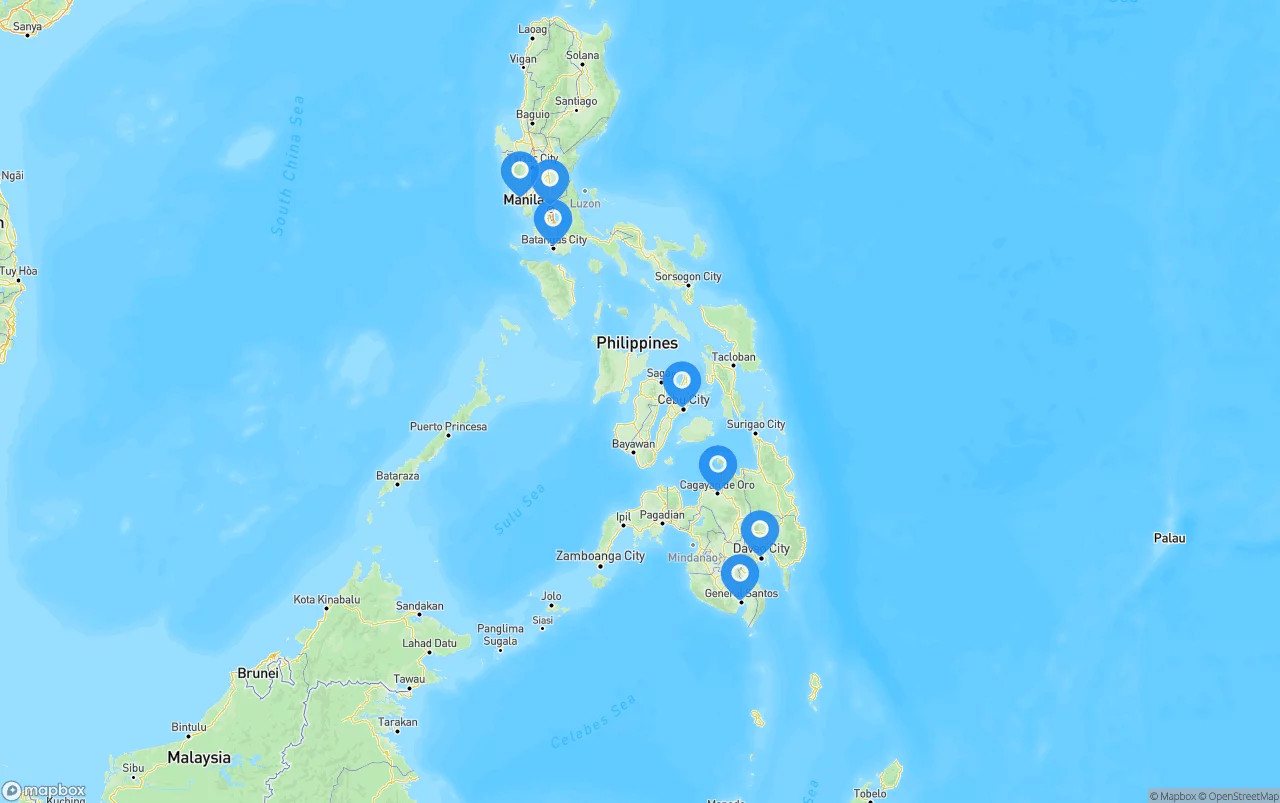 - Manila Port: Manila Port is the largest and busiest port in the Philippines, located in the capital city of Manila. It serves as the main gateway for international trade in the country, handling a wide range of cargo including containers, bulk, and breakbulk. The port is equipped with modern facilities and infrastructure to accommodate large vessels.
- Cebu City Port: Cebu City Port is a major seaport located in the central Visayas region of the Philippines. It is an important hub for domestic shipping and also handles some international cargo. The port plays a key role in connecting the different islands of the Philippines through ferry services.
- Davao Port: Davao Port is the main port serving the southern island of Mindanao. It is a strategic gateway for trade in the region, handling a variety of cargo including agricultural products, minerals, and general goods. The port is well-equipped to handle containerized cargo and bulk shipments.
- General Santos Port: General Santos Port is another key port located in Mindanao, specifically in the city of General Santos. The port primarily handles exports of agricultural products such as bananas, pineapples, and tuna. It is an important economic center for the region and plays a vital role in the country's trade.
- Subic Bay Port: Subic Bay Port is a former US naval base that has been converted into a major commercial port. It is strategically located near Manila and serves as an alternative to the congested Manila Port. The port is known for its modern facilities and efficient operations, particularly in handling containerized cargo.
- Other ports in the Philippines include Batangas Port in Luzon, Luzon Port in the northern region, Cagayan De Oro Port in Mindanao. These ports also play important roles in the country's maritime trade, catering to various types of cargo and vessels.
Looking for a freight forwarder in Germany and Philippines? There is a list of the best freight forwarders, cargo agents, air, sea, land, river, railroad transport companies, logistics, brokers cargo services in Germany and Philippines. Elevate your business's supply chain effectiveness by selecting the ideal freight forwarding partner.
Maximize your logistics efficiency between Germany and Philippines by partnering with premier freight forwarders. These expert forwarders invest time to deeply understand your unique shipping requirements. Through a personalized and meticulous approach, they guarantee seamless shipment execution across borders, ensuring timely arrivals at every destination.


At FWFreight, we offer comprehensive international container shipping services tailored to meet your needs. We provide efficient and reliable shipping solutions from Germany to Philippines. Here's a breakdown of our shipping options:
LCL from Germany to Philippines (Less than Container Load):
For smaller shipments that don't fill an entire container, our LCL service is the perfect solution. We consolidate multiple shipments into one container, saving you time and money. With regular departures to Philippines from Germany. Your cargo will reach its destination securely and on schedule.
FCL from Germany to Philippines (Full Container Load):
If you have enough cargo to fill a whole container, our FCL service offers exclusive use of a container. This ensures your goods remain secure and minimizes the risk of damage during transit. Choose to 20 FT, 40 FT, or 40 HC containers, depending on the volume and nature of your cargo.
Air Freight from Germany to Philippines:
When time is of the essence, our air freight service provides swift delivery for urgent shipments. With extensive networks and partnerships, we guarantee efficient handling and timely delivery of your cargo to Philippines to destinations across the globe.
Below is a table with Shipping Rates from Germany to Philippines for various types of containers. You can use these Quick Quotes from Germany to Philippines as a guideline. To get an Instant Rate from Germany to Philippines for the necessary date, you can send a request.
For container transportation from Germany to Philippines, various factors come into play. The size of the shipping container, the type of goods to be shipped, distance of the destination, and the shipping method (either Full Container Load or Less than Container Load) all directly affect the cost.
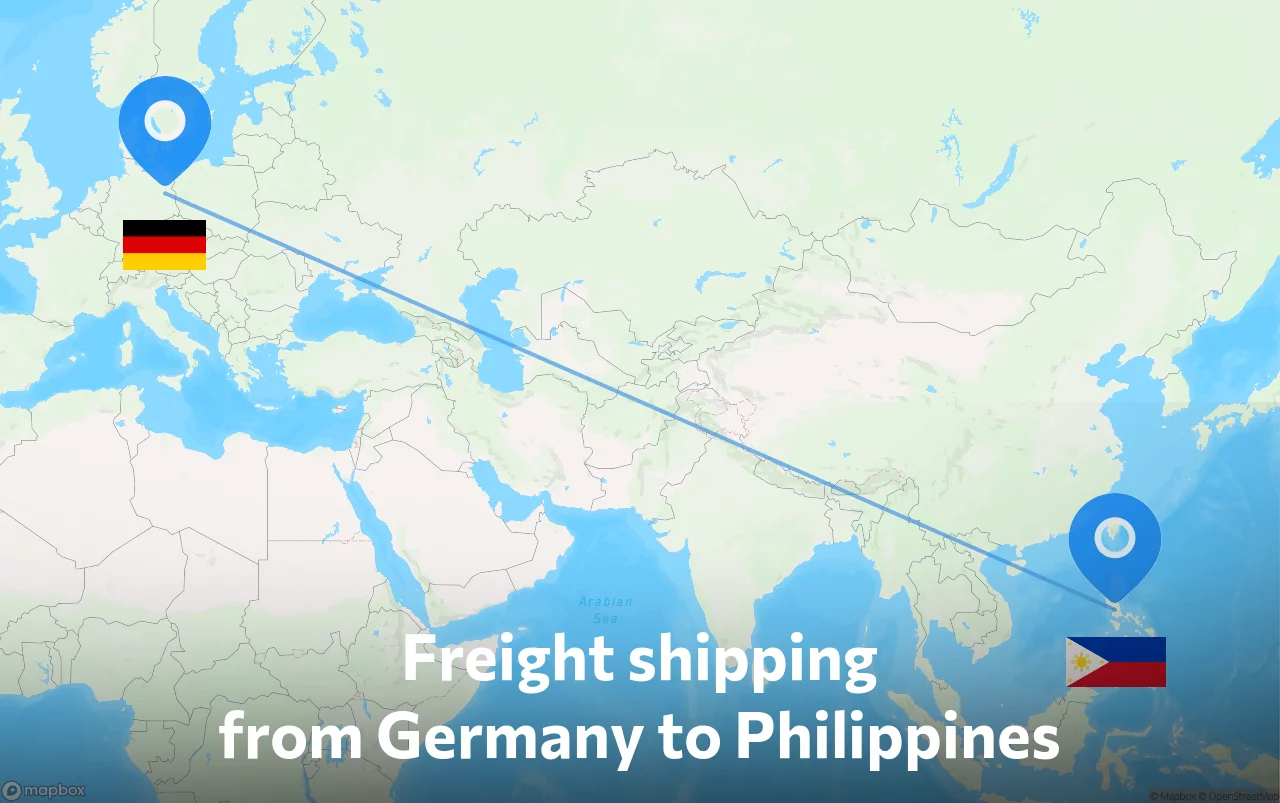 On average, shipping cargo from Germany to the Philippines via sea freight can take anywhere from 30 to 45 days. The distance between the two countries plays a significant role in determining the transit time, as well as factors such as weather conditions, port congestion, and the efficiency of logistics operations. The specific route chosen for shipping also influences the duration of the journey, with some routes being longer but potentially faster due to better infrastructure and less congestion. Shippers should consider these factors when planning their shipments to ensure timely delivery.
Customs clearance processes in both Germany and the Philippines can also impact the overall shipping time. In Germany, customs clearance is generally efficient and can be completed within a few days. However, in the Philippines, customs clearance procedures can be more complex and time-consuming, leading to potential delays of up to a week or more. To mitigate these delays, shippers should ensure that all necessary documentation is in order and work with experienced logistics partners who have a thorough understanding of customs regulations in both countries. Companies like FWFreight specialize in transport services between Germany and the Philippines, providing expertise and support to streamline the shipping process and minimize delays. By partnering with experienced logistics providers, shippers can ensure smooth and efficient cargo delivery.
 At FWFreight, we take pride in offering premier freight shipping to the Philippines. Our core services are all-encompassing and designed to cater to each unique requirement in your shipment process. We understand that international shipping to the Philippines from other countries can pose a daunting challenge. However, our vast experience and expertise in managing import to the Philippines put us in a unique position to handle all your logistics requirements. We assure you of competitive pricing, paired with unparalleled service, making your shipping process flexible, secure, and problem-free. With us, you can be confident that you've chosen the reliable partner for your shipping needs.
From our service perspective, FWFreight is committed to providing world-class service to every customer. We provide all-inclusive logistics services encompassing sea, air, rail, and truck transportation, in addition to forwarding services. These offerings are tailored to meet the manifold needs of our diverse clientele, ranging from domestic exporters to global importers. Regardless of the type of transportation, our company ensures the best prices and efficient service to streamline your shipping process. Our dedicated team is always ready to assist you in navigating the complexities of global shipping. With our company, you not just get a shipping aid, but also a trusted partner committed to propelling your business forward.